|
TrainWeb Rides the LA Metro Rail Gold Line
Los Angeles Union Station - Pasadena | August 3, 2003
By Matt Melzer of TrainWeb.com
http://www.trainweb.com/travelogues/mattmelzer/2003h03a.html
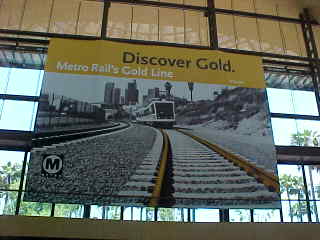
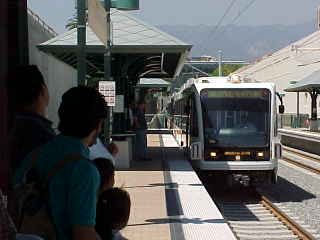
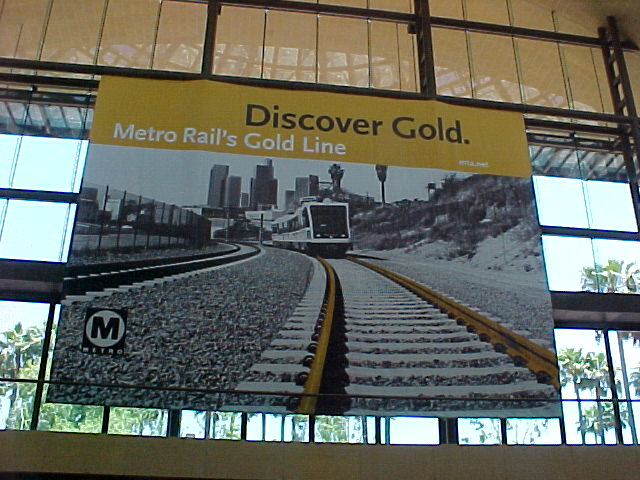
On Saturday, July 26, 2003, the Los Angeles Metro Rail Gold Line light rail opened to the public, on-schedule and under
budget. 13.7 crucial miles were added to LA County's modest, piecemeal rail transit system, once again linking Pasadena and
Los Angeles, and strengthening Union Station's role as the West Coast's premier transit hub. The response was
overwhelmingly enthusiastic, with 70,000 passengers (double the MTA's own projections) inundating the system on the first
day of service, creating queues of up to two hours. Eight days later, I went to ride the Gold Line, hoping to evaluate the
service under more sane conditions.
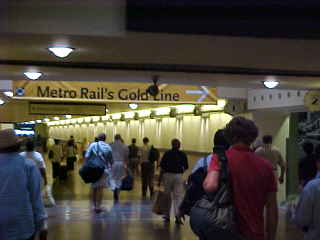
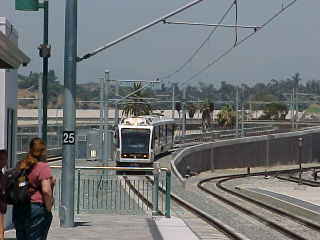
Leaving the TrainWeb office in Fullerton, I caught Amtrak Pacific Surfliner train 571 to Los Angeles at 12:38 PM. After
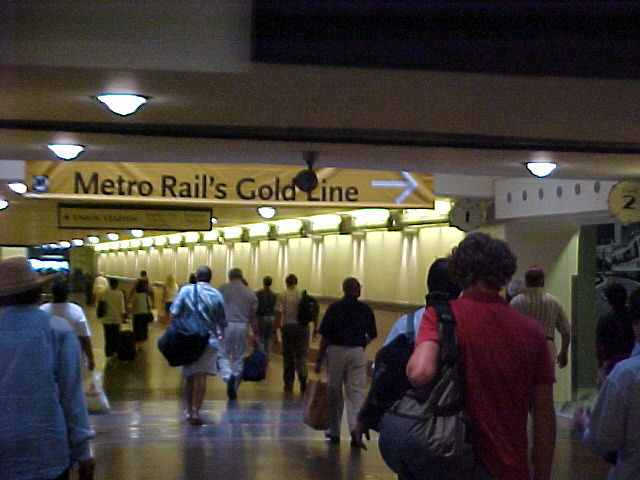
some slight delays, we arrived into LAUS at 1:17 PM, two minutes late. I walked down the tunnel to tracks 1 and 2, which
had been abandoned for many years, but are now reincarnated for the Gold Line. (From what I understand, tracks 13 and 14
are to be eventually revived to serve as extra track capacity for Amtrak and Metrolink once the Union Station Run-Through
Tracks project is completed.) Ambassadors were on hand to assist passengers with the new computerized ticket vending
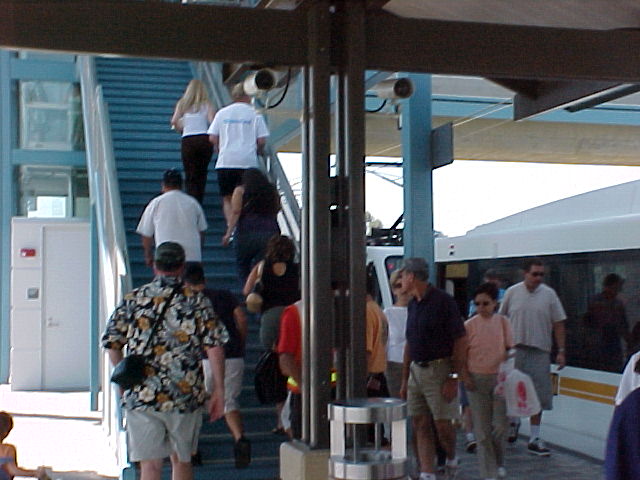
machines, which produce tickets that resemble retail store receipts. Walking up the stairs to the platform, I was met by a
large contingent of Fare Inspectors, employed under contract from the LA County Sheriff's Department. A two-car train
soon arrived, and I found a pair of seats on the right side of the forward car, which filled almost to capacity.
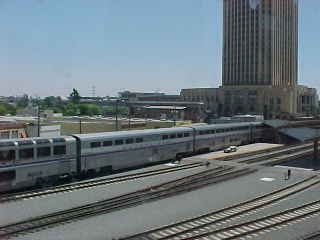
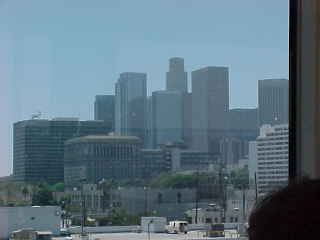
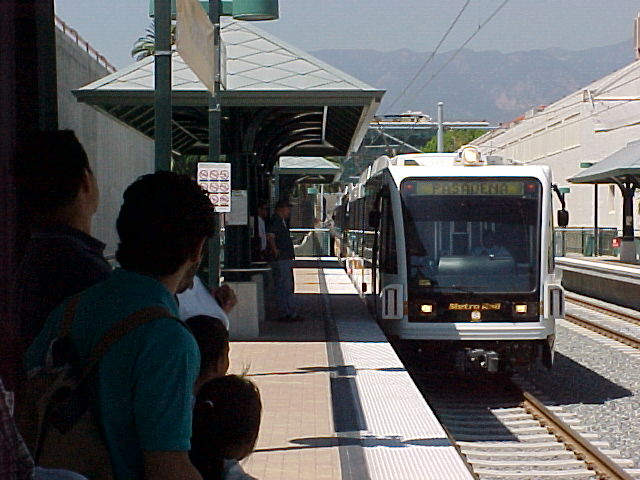
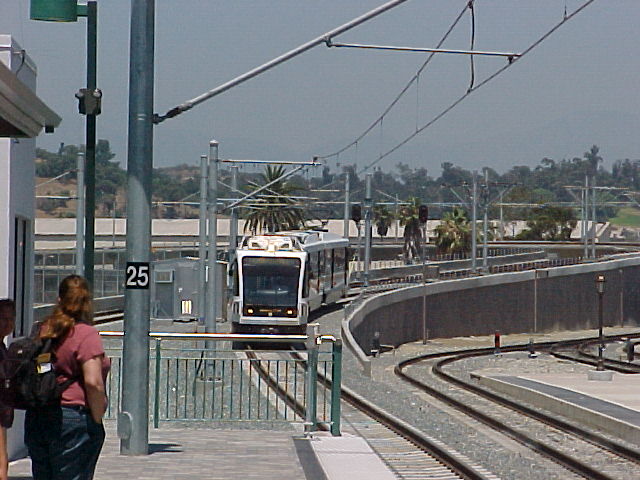
We departed at 1:25 PM, and I was caught offguard by the surprisingly fast acceleration of the sleek new Siemens P2000
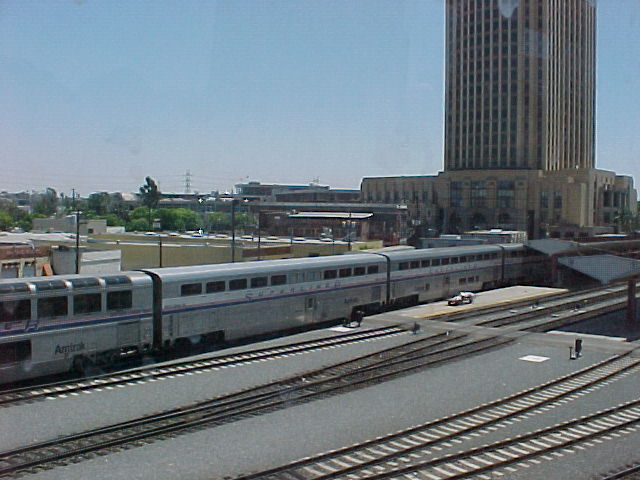
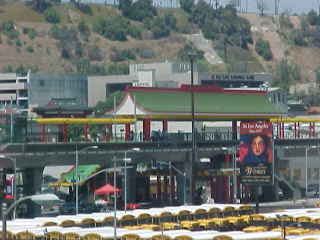
cars, even as we climbed uphill on the flyover towards Chinatown. As we departed, I was afforded an aerial view of the
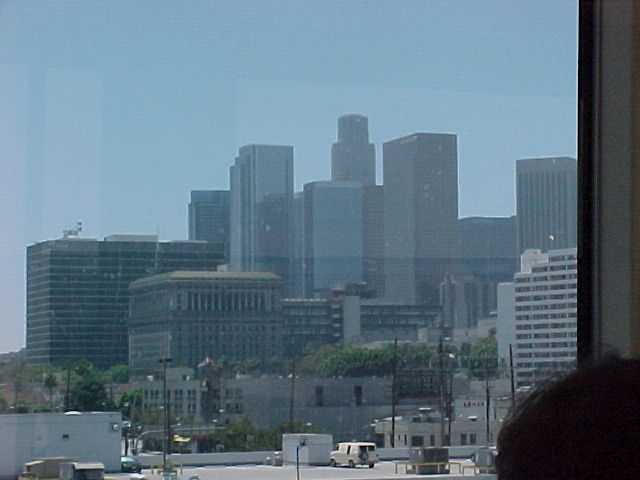
trainset from a late Southwest Chief being pushed from LAUS towards Amtrak's yards. A spectacular, unobstructed view of the
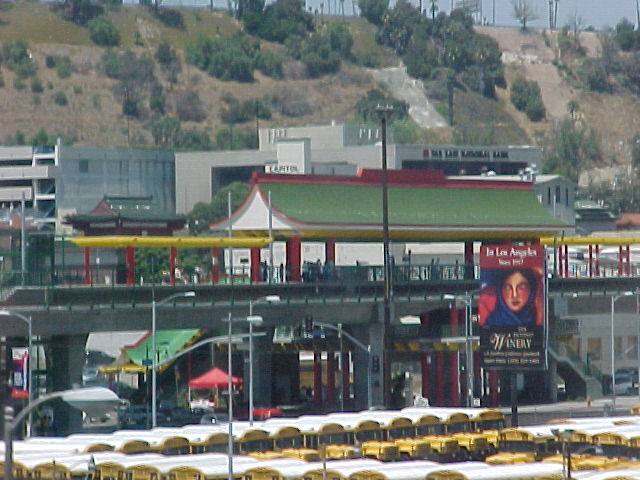
Downtown LA skyline soon appeared, and a similar perspective of Chinatown came into view as we arrived into the
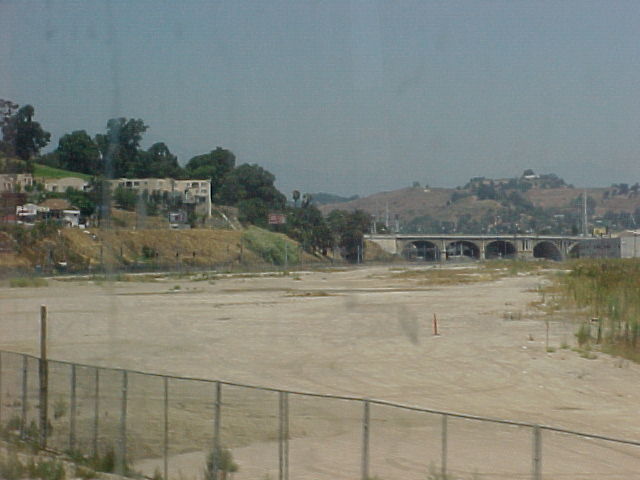
architecturally charming station by the same name. We soon descended into the basin that used to be Southern Pacific's
vast Bull Ring Yard until diverging from the lead tracks to the Gold Line's maintenance facility, adjacent to Metrolink's
West Bank Line. (Unfortunately, this new facility obstructs the view of a classic SP mural advertisement of "8 Trains a Day
to San Francisco", which was still intact the last time I saw it.)
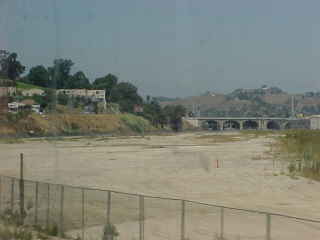
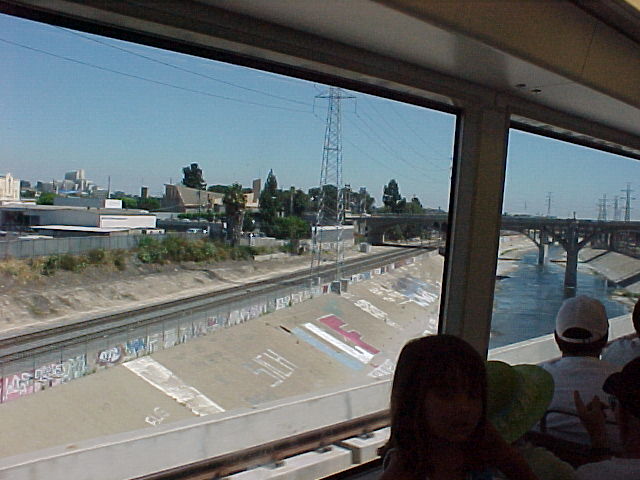
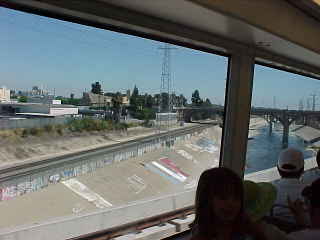
We climbed once again, this time onto the LA River Bridge, which
was the first part of the Gold Line to ever be consutructed, between April 1994 and July 1995, long before funding for the
entire project was even secured. This bridge replaced the single-track trestle that was used by the ATSF Pasadena
Subdivision (Second District), which was abandoned west of Arcadia in 1994. Amtrak's Southwest Chief was the final
passenger train to call at Pasadena until its reroute through Fullerton just prior to the abandonment. The one and only
time in which I had traveled on the Second District was at age seven, aboard the westbound Southwest Chief. For the first
time since then, I once again traveled over this historic and famed right-of-way, searching as best I could for artifacts
from the Santa Fe days.
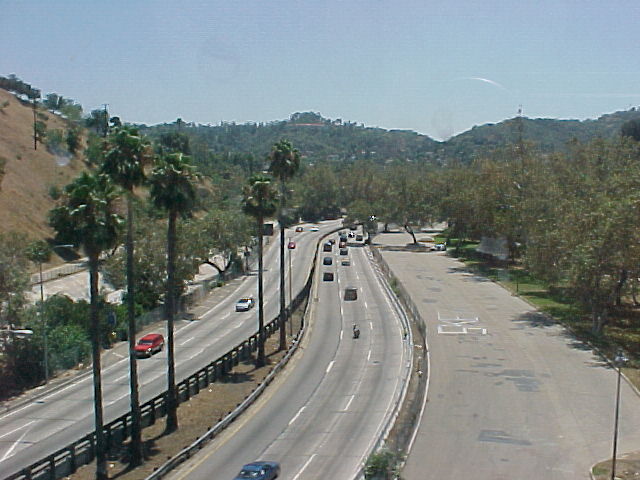
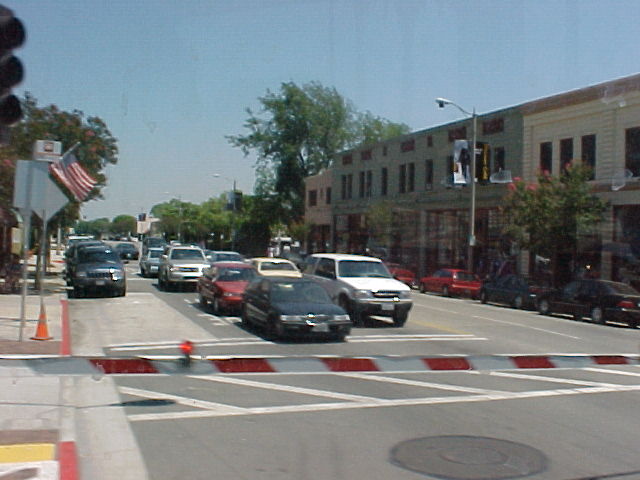
After stopping at Lincoln Heights / Cypress Park, we traveled through our first grade crossing, and crossed the 110 Freeway
for the first time. After the Heritage Square / Arroyo station, we traversed a trench for a short while, then slowed down
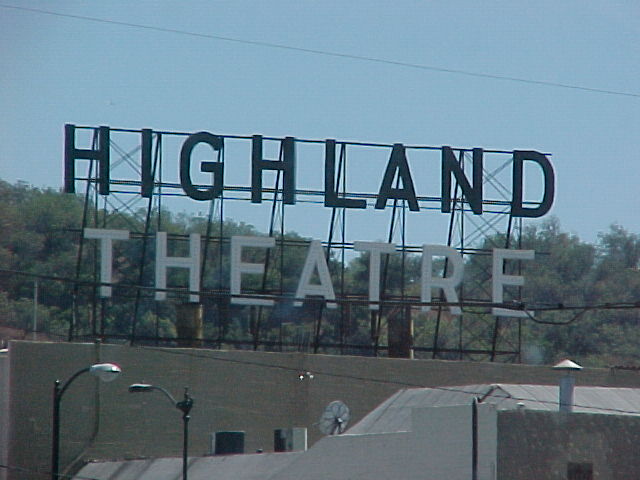
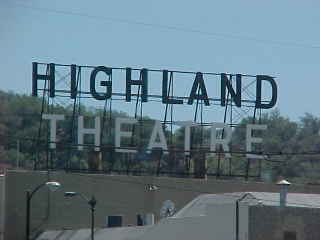
to travel down the middle of Marmion Way into the Southwest Museum and Highland Park stations. Our speeds were considerably
slower for this portion, and the operator did not once sound the horn in spite of the countless street crossings. After
Highland Park, we picked up speed, crossing the 110 over Arroyo Seco once again before pulling into historic Downtown
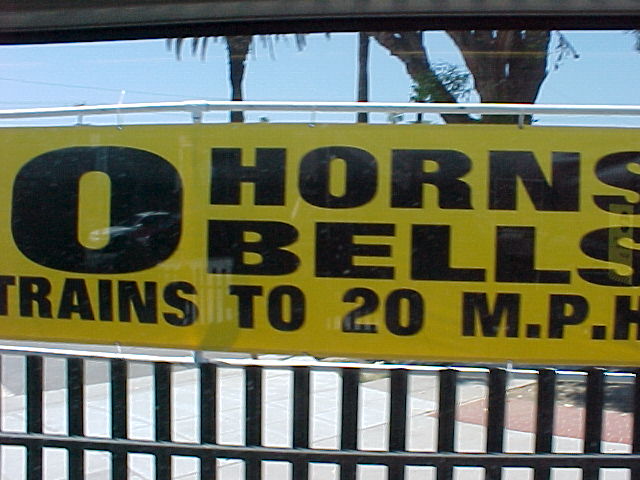
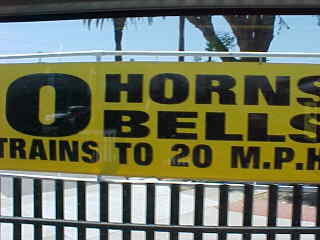
South Pasadena. We tied up traffic on several converging main thoroughfares before stopping at the Mission station, which
is surrounded by signs from local NIMBY (Not In My Backyard) property owners demanding, "No Bells / No Horns / Slow Trains
to 20 MPH". After crossing the 110 for the final time, we passed through an industrial area where I saw the only remnant of
the old Santa Fe - severed spur tracks leading into a plant. After entering Pasadena, we stopped at Fillmore, which is
adjacent to popular shopping areas.
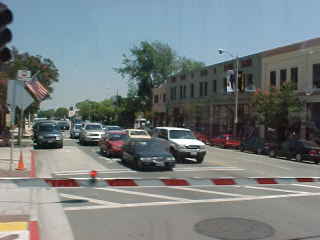
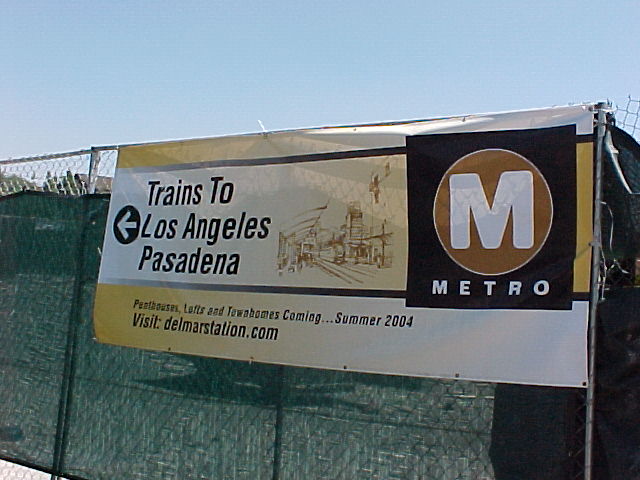
As we approached Del Mar, I anticipated seeing the 1935-era former Santa Fe / Amtrak station, which I had photographed only
three years previous for TrainWeb's Pasadena Station
Page . Unfortunately, the famed station building was nowhere in sight, only construction for the transit-oriented
Del Mar Station housing development. I would have to return
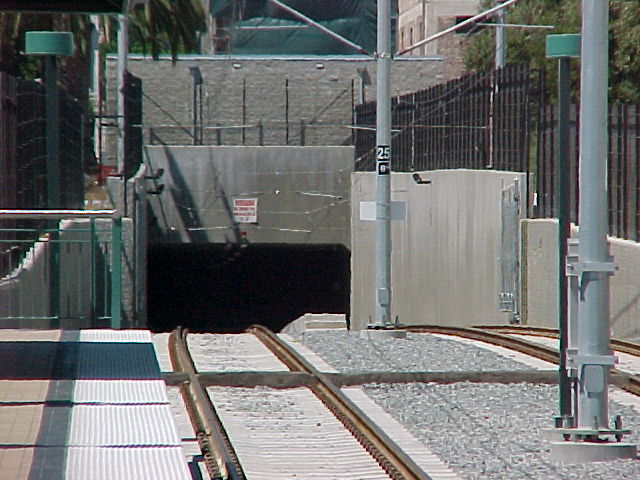
to investigate the situation. We soon plunged into a tunnel to avoid the narrow corridor that the Second District used to
take across Old Pasadena's Colorado Boulevard before stopping in Memorial Park, which is located in an open trench. We
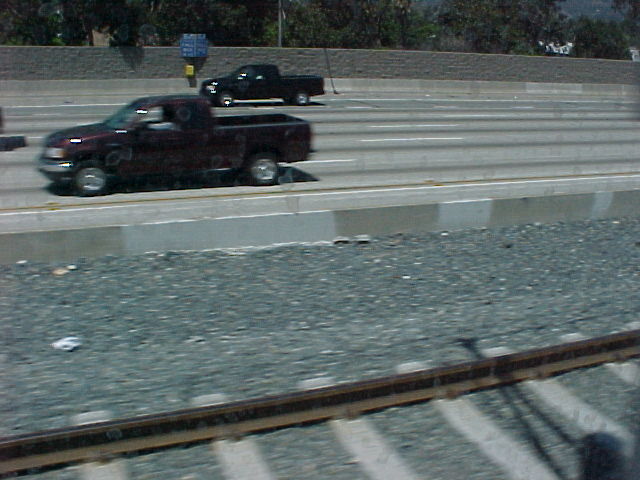
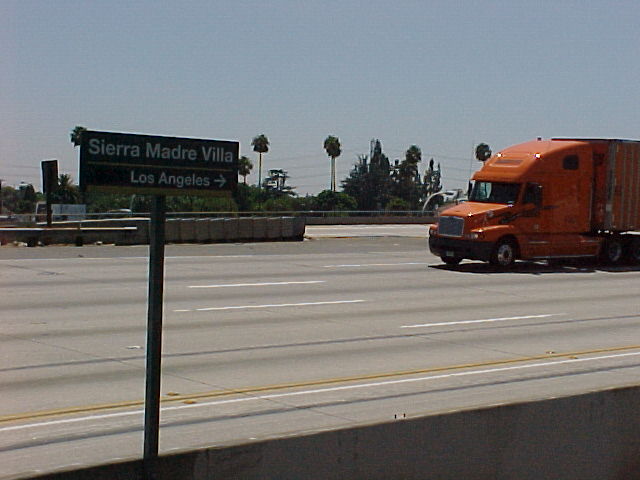
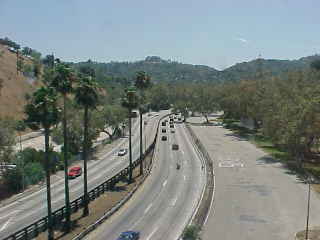
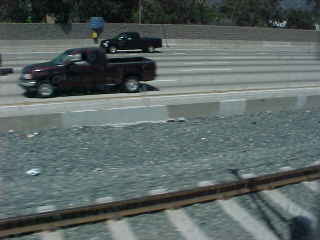
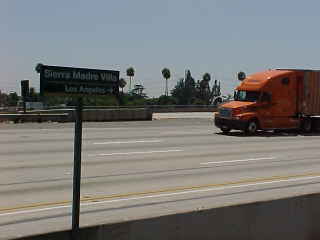
entered one more tunnel and emerged heading east down the median of the Interstate 210 Freeway, where trains can operate
at the maximum allowed speed of 55 MPH (though these Siemens cars can reach 70). An MTA worker boarded at Lake, several
passengers detrained at Allen, and we reached the eastern terminus of Sierra Madre Villa at 2:01 PM. I fought the large
crowds to get a glimpse beyond the end of the Gold Line, where the old Santa Fe tracks were overrun by weeds. (Metrolink
owns and operates the Pasadena Subdivision for BNSF freight service to its present western terminus in Arcadia, a couple
miles west of Sierra Madre Villa. If Phase II of the Gold Line is built to Claremont with light rail as the preffered
alternative, the rest of the Pasadena Sub would meet the same fate as this portion.)
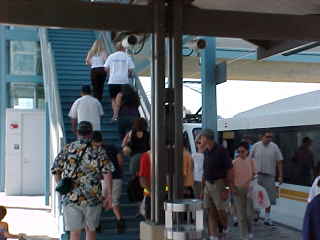
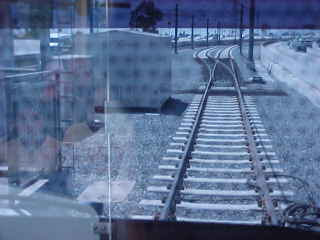
I walked to the front of the other car, a new operator boarded, and we departed Sierra Madre Villa at 2:06 PM. I
detrained at Del Mar at 2:15 PM, walking down Raymond Avenue searching in vain for the Santa Fe station. I would later
learn that the station structure was relocated a short distance away until the Del Mar Station development could be built,
and it would then be relocated to its original site and restored to its original glory. I reboarded a southbound train at
2:27 PM, driven by the same operator who took me north. This train was filled to capacity, standing room only. To my
dismay, a kid was blasting his stereo without headphones, and with obviously no regard for his fellow passengers. Where's a
fare inspector when I need one?!
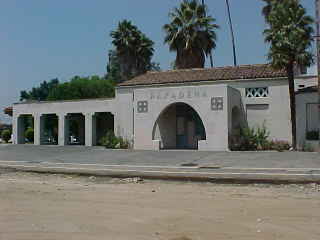
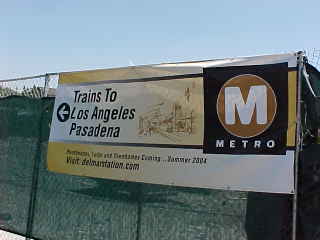
Pasadena Del Mar: Before and After
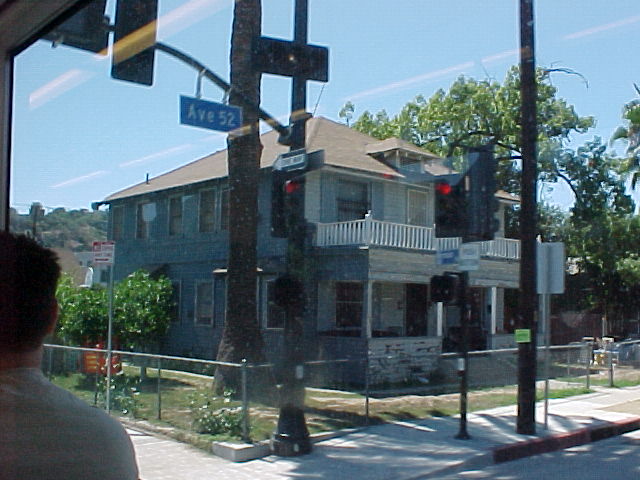
It took me a while to notice that three stations have been labeled with interchangeable sets of names. For
example, Highland Park was originally called Avenue 57. Heritage Square / Arroyo was originally called French. Lastly,
Lincoln Heights / Cypress Park was originally called Avenue 26. The latter names all obviously represented the streets on
which the stations were located, and I saw various signage using both systems of nomenclature. As we passed through Bull
Ring Yard, I noticed a relic from the SP era: a metallic building with hand-painted signs reading "Signal Department", with
tracks in front of them! One could only wonder what that building now houses.
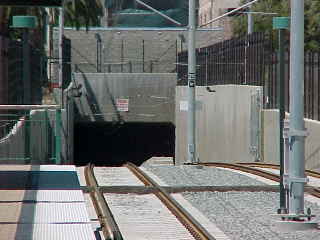
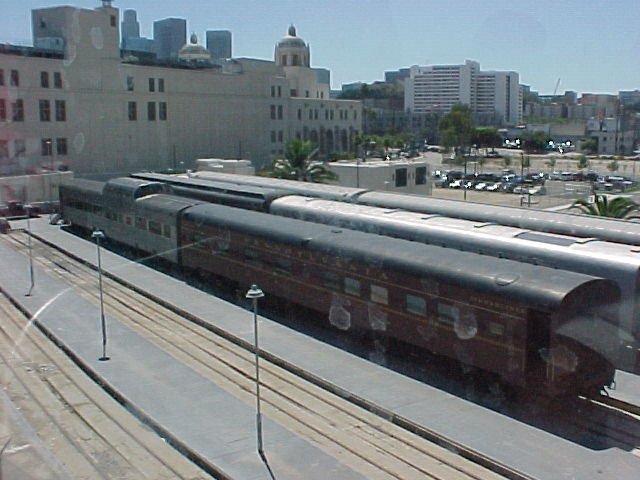
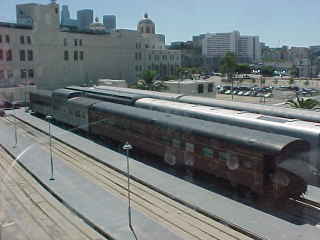
After passing over the LAUS Private Car Garden tracks, we arrived into Los Angeles at 2:54 PM, two minutes early, ending my
exciting first trip on the Gold Line. I ran to track 12 to catch Pacific Surfliner train 780 back to Fullerton at 3 PM,
arriving into the office at 3:32 PM.
Click on the below links to view each set of photos:
Set #01 /
Set #02 /
Set #03 /
Set #04
Set #05 /
Set #06 /
Set #07 /
Set #08
Questions? Comments? E-mail matt@trainweb.com .
|